
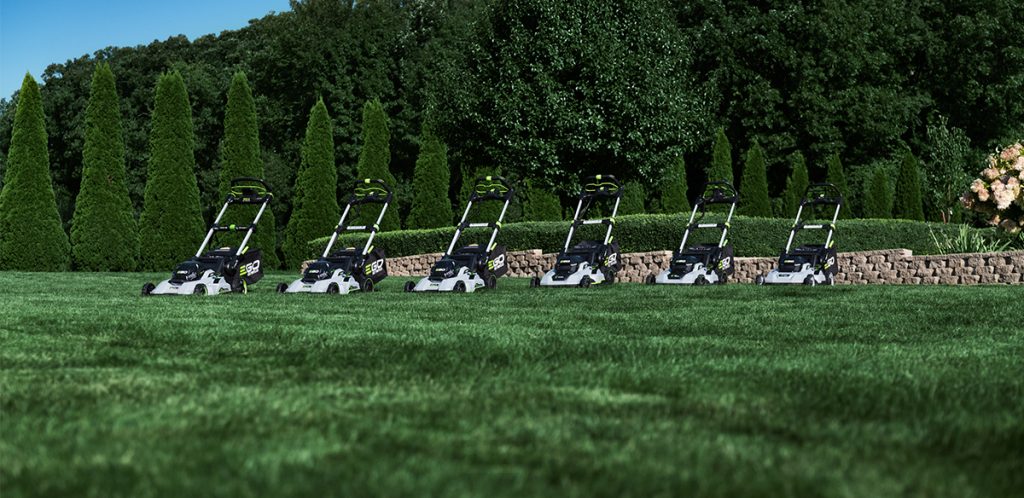
Petrol Shouldn’t Be Second Nature
Petrol tools demand constant attention. Not because people are careless, but because combustion engines rely on dozens of mechanical processes all working in harmony. Fuel delivery, ignition, airflow, lubrication. When one part drifts, performance drops.
Over time, that tinkering becomes normal. You plan around it. You allow for it. You build it into your day without noticing.
Battery tools don’t work that way. There’s no fuel system to clog, no ignition to misfire, no engine to warm up. Power delivery is electronic, controlled and consistent. Once people switch, they often realise how much time and mental energy petrol quietly consumes.
Charging Replaces Refuelling, That’s The Point
For petrol users, refuelling is an interruption. It means stopping, handling fuel, dealing with spills, fumes and storage. It’s familiar, but inefficient.
Charging fits around the day instead of dictating it. Battery packs swap in seconds. Charging happens in the background. Smart chargers manage heat, balance cells and optimise power automatically.
The habit shift is subtle but powerful. Batteries are either ready to go or charging for the next run. No stale fuel. No performance drop halfway through a job.
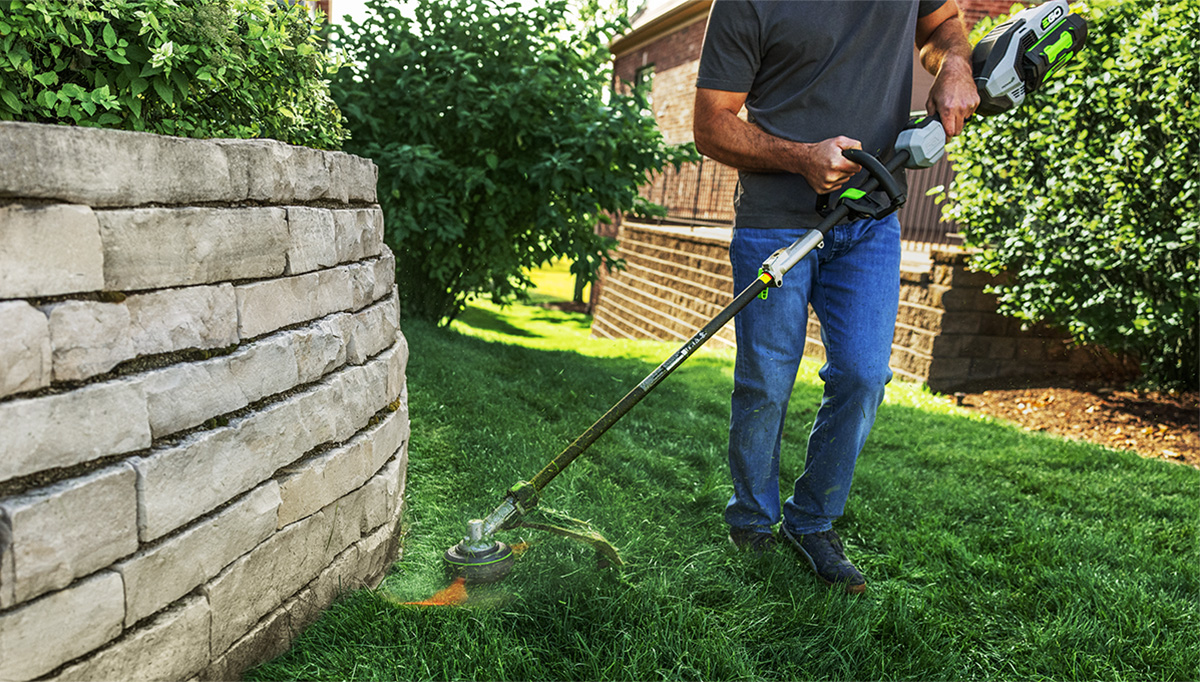
Battery Care Is About Consistency
A common misconception is that batteries are fragile or fussy. Modern lithium systems are engineered to protect themselves.
They respond best to steady use, sensible storage and regular charging. They don’t need mechanical adjustment or constant attention. Many platforms actively manage cell health internally, meaning longevity is built into the system rather than relying on operator intervention.
Charge at the end of the day. Store out of extreme heat. Rotate packs across tools. Simple habits, serious performance.
More Options To Power The Job
Petrol gives you one option. Fill the tank and go. Battery platforms offer flexibility without complication.
Different battery capacities suit different workloads. Larger packs for sustained, high-draw tasks. Smaller packs to keep weight down for lighter work. Once experienced, this becomes intuitive. You reach for the right battery the same way you choose the right blade or attachment.
The result is efficient power delivery, predictable runtime and less strain on both tool and operator.
Tool Maintenance Is Practical, Not Mechanical
Battery tools still benefit from care, but the focus shifts. Instead of engine upkeep, attention moves to the parts that actually do the work.
Sharp blades and chains reduce load. Clearing debris supports cooling. A quick visual check keeps everything operating as intended. These are practical habits that improve performance without adding complexity.
The Freedom You Don’t Notice at First
No fuel cans. No fumes. No tuning. No unexpected downtime. Work flows more smoothly. Days feel cleaner. Crews finish with more left in the tank.
Battery tools don’t ask you to do more. They remove layers of friction built into the job over decades. And once those habits loosen their grip, maintenance becomes simpler and your tools finally feels like they’re working with you, not against you.